Spring Into Savings: Mark Your Calendar for Turning Off the Heat This Year

- EXPLORE FURTHER: The ideal setting for your household thermostat.
It's an issue that causes arguments among millions of families each spring.
At what point should one turn off the heater?
Currently, a poll involving 2,000 British individuals has finally put an end to this argument.
Based on the study commissioned by Worcester Bosch, the heating can be discontinued once the outdoor temperature consistently reaches 15°C or higher.
According to Stephen Day, the director of iHeat, this is now an 'optimal moment to think about turning off'.
"He told MailOnline that according to weather patterns in the UK, by early April, the average temperature outdoors typically rises above 14°C across most areas," he said.
'As soon as temperatures regularly reach about 15°C — usually by mid to late April — numerous houses, especially those with good insulation, can stay sufficiently warm without requiring constant heating.'
'Now is consequently a perfect moment to think about turning it off.'
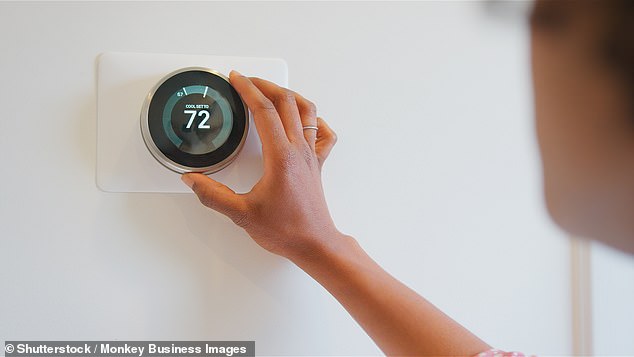
In the survey, 2,000 British individuals were questioned regarding the timing and reasons for switching off their heaters each spring.
It was discovered that a steady outdoor temperature of 15°C or higher marked the turning point for needing less heating. Additionally, 16 percent of participants cited fighting over heating as their top issue.
The survey indicates that men often request turning off the heat, whereas nearly half of British people are "stealth heaters," secretly restoring warmth without their partners' knowledge.
Nevertheless, leaving your heater on when not needed can be expensive.
Mr. Day informed MailOnline that even an extra day of unneeded heating could result in costs for homeowners ranging from £6.08 to £12.16, varying based on the type of boiler and how much it’s used.
'That amounts to £42.56 - £85.12 over a week, which could easily pay for your grocery shopping.'
Fortunately, the heating specialist indicates that switching off your heater doesn’t necessarily mean having to endure the chill.
He recommended using a programmable thermostat for automatic temperature control and manual adjustment during unexpected cold spells.
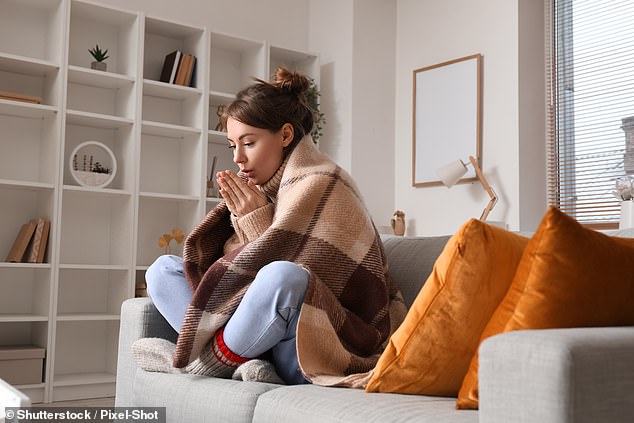
'Additionally, you should inspect the insulation and block any drafts to retain heat.'
For families with children, elderly members, or individuals who are more susceptible to changes, consider decreasing use incrementally—reducing the thermostat setting by 1 degree Celsius each day or shortening heating duration by 30 to 60 minutes per day—to make the adjustment smoother.
Furthermore, Mr. Day suggests that it's advisable to maintain the heating during evening hours throughout spring as it may still feel cold.
"For mental tranquility, it might be beneficial to have your heating turn on automatically when the temperature falls below a specific point—about 12-13°C serves as a decent guideline," he stated.
'In this manner, you avoid expending extra energy regularly, yet you remain prepared for occasional chilly spells.'
The announcement follows closely on the heels of a survey involving 2,000 British individuals which showed that The optimal temperature for your home is 19.5°C (67.1°F).
While this might sound chilly to many people, the World Health Organisation (WHO) actually recommends an even lower temperature of 18°C (64.4°F).
'The indoor living spaces must be kept at sufficiently warm temperatures to shield inhabitants from the adverse health impacts of cold,' according to the WHO.
'In nations with temperate or cooler climates, it has been suggested that maintaining an indoor temperature of 18°C serves as a healthy and balanced standard to safeguard public wellbeing throughout colder months.'
Read more