Six Simple Ways to Prevent Microplastics from Entering Your Body

Microplastics can be found virtually anywhere—from the air we inhale to the garments we put on, as well as coming out of our food and beverage containers, and more recently discovered within the very foods we consume. This situation may seem quite concerning; however, although researchers are still gauging their potential impact on human health, experts concur that reducing contact with these particles is advisable.
"There have been research studies carried out on individuals with prolonged exposure to microplastics And negative impacts have been observed; the level of risk depends on the concentrations individuals encounter, thus reducing these exposures is advantageous," explains Dr. Claire Gwinnett, a professor specializing in forensic and environmental science at Staffordshire University. "Currently, more attention is being directed towards the issue of nanoplastics—when particles fall within the nanoscale dimensions—they possess the ability to move across biological barriers.
A recent study Researchers from the University of New Mexico examining human brain specimens discovered microplastics present in quantities akin to having an entire spoonful or roughly five caps worth of bottled water (nearly 50 percent more than previous studies conducted in 2016).
Dr. Jenny Goodman, an expert in eco-medicine and the writer of, Staying Fit During Challenging Times explains how substances like phthalates—chemicals used to make plastics more pliable—can leach into food from plastic packaging. She characterizes these compounds as endocrine disruptors that interfere with our metabolic processes.
Elevated concentrations of these substances detected in individuals' urine samples have been linked to problems related to fertility, allergic reactions, and dermatological issues, along with various other health concerns. Additionally, bisphenol A (BPA), present in the coatings inside cans and as a residue in prepackaged processed foods, acts as an endocrine disruptor capable of disrupting thyroid activity.
While both "can also be detrimental to our gut microbiome," Goodman notes that consuming probiotics—in supplemental form or through fermentation products such as kefir, kimchi, and kombucha—might aid protection by decreasing the uptake of these substances.
While it's impossible to completely steer clear of microplastics Overall, the major question revolves around how we can minimize our vulnerability? Here’s what the specialists advise:
Examine the label on your beverage.
Teabags may introduce microplastics either through the material used for the bag itself or the adhesive employed to keep it sealed. A study conducted by researchers at Universitat Autònoma de Barcelona and released in December 2024 revealed that commercially available tea bags made of polymers emit millions of nanoplastics and microplastics once steeped in water, which aligns with earlier studies on this issue concerning plastics in teabags.
Many tea companies have stopped using oil-derived plastics for their teabags and now opt for a biodegradable plant-based plastic known as PLA. This material can be composted, though it requires industrial facilities; thus, it should be placed in your garden waste rather than your home composter.
WHAT YOU CAN DO: Instead of bioplastic, Pukka Herbs uses a single stitch of organic cotton to seal their bags. Or you could take things back to basics and brew a cuppa with a stainless steel tea infuser and loose leaves.
Choose natural fibres
When synthetic fabrics such as nylon, polyester, and acrylic are laundered, they release countless tiny plastic microfibers. These particles are consumed by zooplankton and crustaceans, then work their way up the food chain to reach fish before ultimately being ingested by mammals including whales and humans," Goodman clarifies. Low-quality synthetic jackets are thought to be major contributors to this issue.
Approximately one-third (35 percent) of ocean microplastics are believed to originate from synthetic fabrics.
"Many individuals are unaware that a significant contributor to microplastic pollution comes from fibers found in their garments; these fibers detach during regular use, laundering, and drying processes before entering various environmental systems," explains Gwinnet.
WHAT YOU CAN DO: Starting with reducing how often you launder your garments and tackling stains individually can be beneficial. Think about employing a washing bag like the Guppyfriend, thought to decrease fiber shedding from synthetic fabrics. Alternatively, installing a filtration system in your washer might aid in curbing microfiber contamination of rivers and streams. Whenever possible, choose newly purchased attire crafted from long-lasting natural fibers. However, the core solution involves purchasing fewer clothes and adopting a slower approach to fashion trends. "As the emphasis should be on maintaining, repairing, altering, exchanging, sewing, reselling, and passing along pieces—anything to cut down on acquiring fresh apparel," Goodman notes. "Since each article discarded usually contributes additional non-biodegradable particles to our environment, except when composed purely of organic cotton, wool, linen, or flax, colored solely through botanical pigments."
Think about using natural options instead of microfiber cloths as well. These microfiber cloths are praised for their effectiveness in cleaning and polishing, yet they consist of tiny synthetic fibers that can be breathed in and are known as 'high-shed.' Consider switching to materials like cotton, sponge, or bamboo.
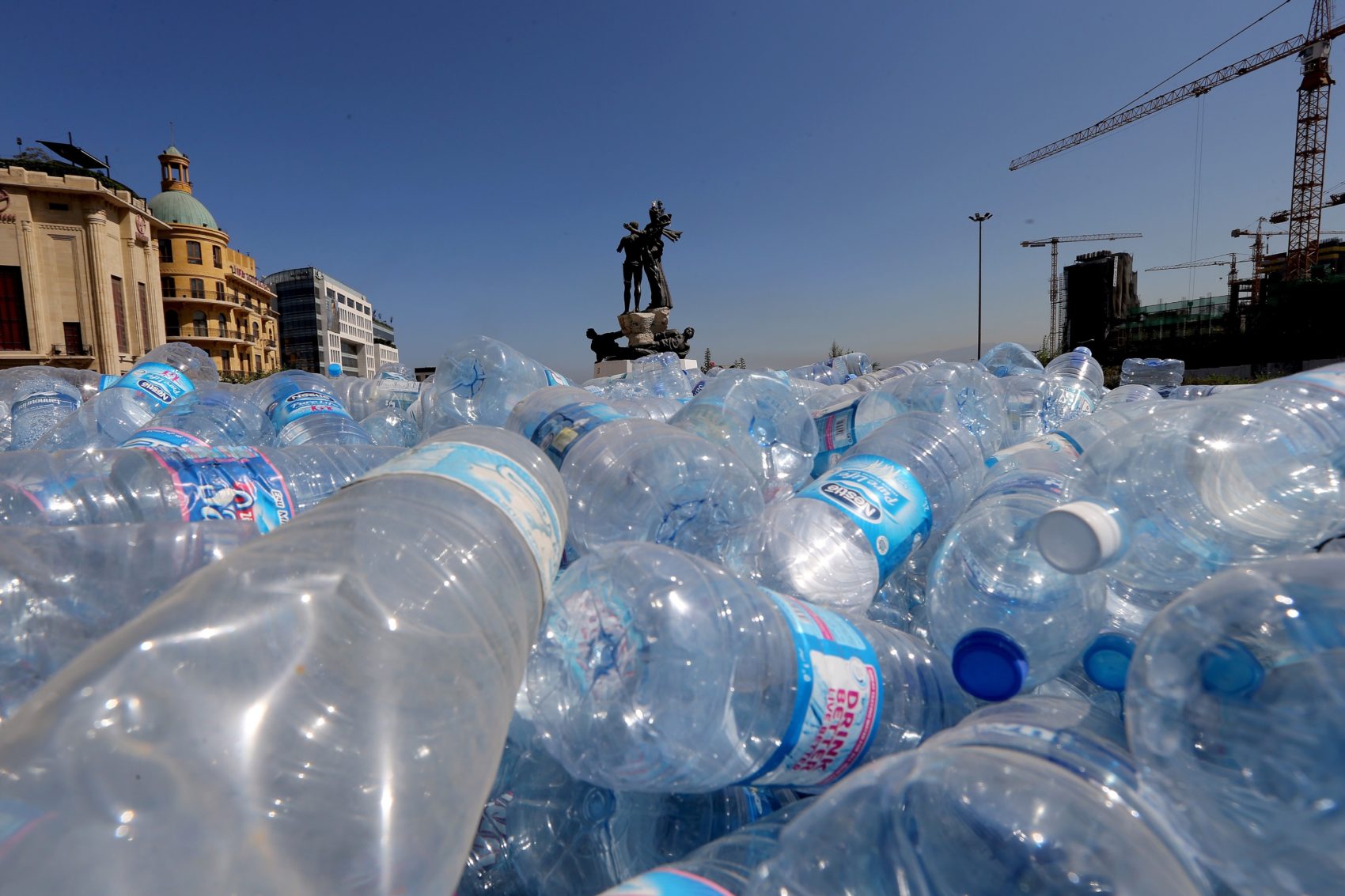
Avoid plastic water bottles
One study discovered that a one-liter bottle of water may have up to 240,000 tiny plastic pieces, with about 90 percent being nanoplastics. This amount is roughly 100 times higher compared to what earlier research had indicated.
WHAT YOU CAN DO: Gwinnett emphasizes that minimizing the use of plastic bottled water whenever feasible is "an essential everyday change to decrease your intake of microplastics." Additionally, she points out that it is crucial not to consume beverages from plastic bottles that have been exposed to sunlight. These bottles can degrade over time, allowing microplastics and harmful substances to leach into the liquid within.
Read Next: My profligate former partner tapped into our shared account to finance their lavish way of living.
The level of microplastics in tapwater In the United Kingdom, the levels of microplastics in tap water are typically regarded as quite minimal. Water treatment methods employed here are thought to efficiently eliminate these tiny plastic fragments. Nonetheless, certain specialists advise using under-sink reverse osmosis water filters. These not only help remove microplastics but also tackle persistent contaminants referred to as PFOA/PFAS or "forever chemicals."
Swap gum for mints
A recent pilot study conducted at UCLA examined 10 widely-used chewing gum Products—including both natural and artificial variants—released hundreds of microplastics when they came into contact with saliva.
Certain brands utilize a plant-derived polymer extracted from tree sap to form the elastic foundation, whereas others opt for synthetic rubber derived from petroleum-based polymers. "Gum is the sole edible item containing plastic polymer as a key component; this fact might elude many consumers, which is why we aimed to highlight it," explains Sanjay Mohanty, who leads the project and holds an engineering faculty position at UCLA. He further notes that pinpointing the exact source of these microplastics remains uncertain: "It could originate from the gum base or perhaps result from processing methods or packaging techniques."
From dawn till dusk, plastics are present in numerous daily items—your toothbrush, milk and juice containers, cutting surfaces for food preparation, fleece garments, carpets inside your home, and even bedding like pillows and sheets. Consequently, it's unavoidable that such goods shed microplastics; as a result, some of these particles find their way into our bodies through consumption and breathing.
WHAT YOU CAN DO: Opt for mints instead of chewing gum – at least until further research provides clarity. According to Mohanty, there isn't definitive proof that microplastics pose a danger to humans. "Nonetheless, the potential risks they may directly have on our health remain unknown," he adds.
Store your food mindfully
When it comes to food storage, the more flexible the plastic—such as cling film, frequently non-recyclable due to being a single-use item—the higher the levels of phthalates (along with BPA) according to Goodman. Plastic containers they also include phthalates, substances associated with multiple health problems.
WHAT YOU CAN DO: Reduce your contact with phthalates by steering clear of them. plastic containers particularly when dealing with hot or acidic foods," explains Goodman. Consider using glass or stainless steel containers as an alternative, or opt for storing your food in ceramic dishes within the refrigerator instead. When packing lunches, reusable paper bags can be a good choice.
Avoid microwaving food In any type of plastic container, as high temperatures might cause the release of phthalates and other harmful plastic compounds. Due to this concern, certain specialists recommend hand-washing plastic food containers rather than using a dishwasher.
Avoid major routes during peak times.
Many individuals are unaware that our automobiles release tiny plastic particles from tires and brake pads," Gwinnett explains. "Additionally, the wear and tear caused by vehicle movement on road surfaces contributes to the shedding of paint fragments, which also include microplastics.
WHAT YOU CAN DO? To minimize exposure during workouts, try not to walk or run alongside major thoroughfares during peak traffic times, as doing so could lead to increased inhalation of pollutants. This practice also cuts down on your contact with particulates from vehicle emissions, which studies show can be detrimental to human health.